BUYER DECISION GUIDE
What should buyers check for noise and safety when sourcing cooling products?
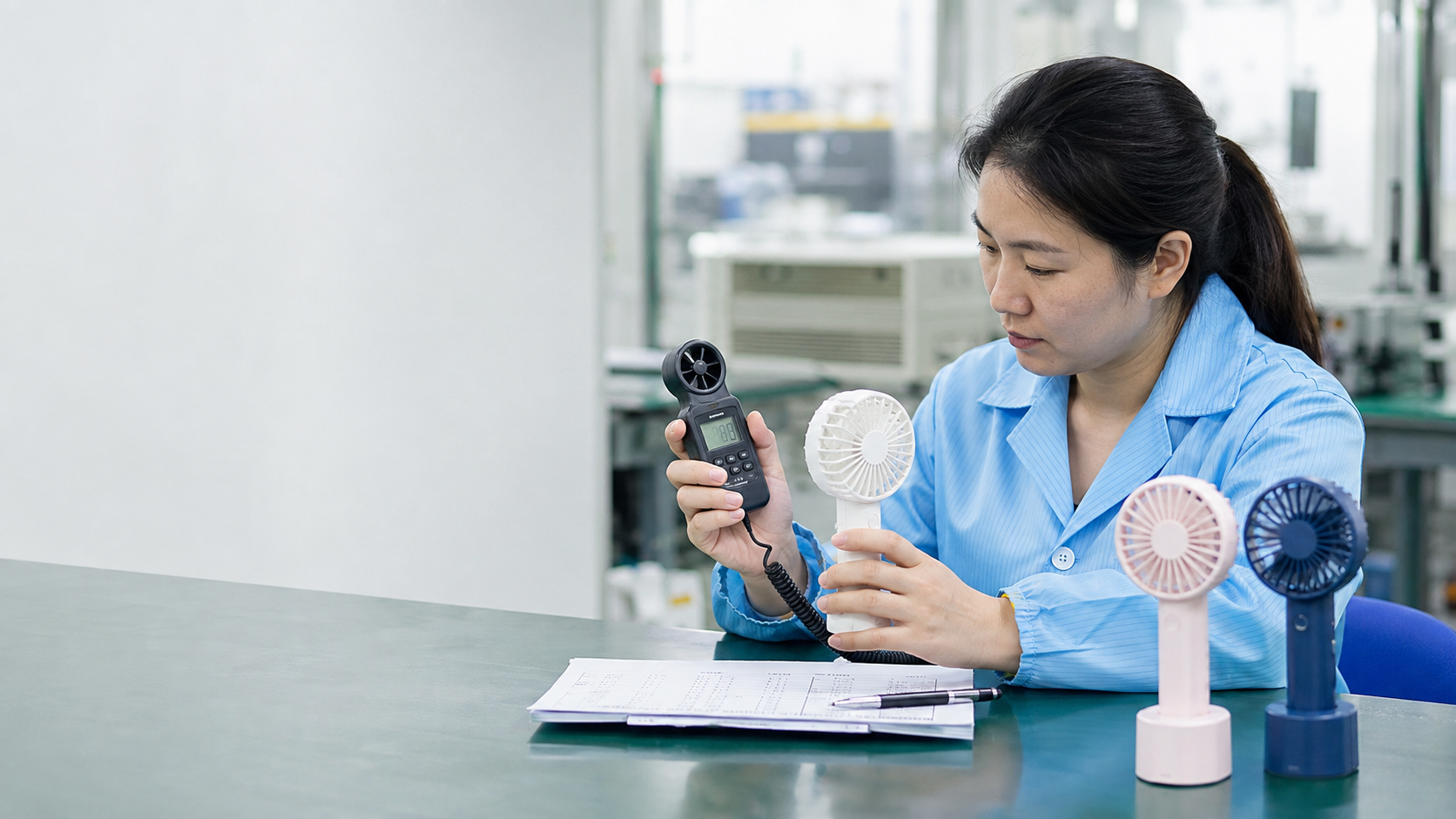
What should buyers check for noise and safety when sourcing cooling products? is a practical sourcing question for importers, distributors, retailers and private-label teams. A dependable decision connects the customer need, product application, sample review, factory testing, shipment inspection and retail information before a purchase order is released.
IN THIS ARTICLE
Introduction
The most useful buyer process is specific. Rather than asking whether a product is simply “good,” define the intended user, setting, sales channel, destination market and the evidence needed for a product decision. This makes quotations more comparable and helps protect customer expectations after launch.
Direct answer
Check noise and safety as separate but connected product-review areas. Test noise in a defined setting, then review guards, stability, controls, charging behavior and instructions against the final use case and destination-market requirements.
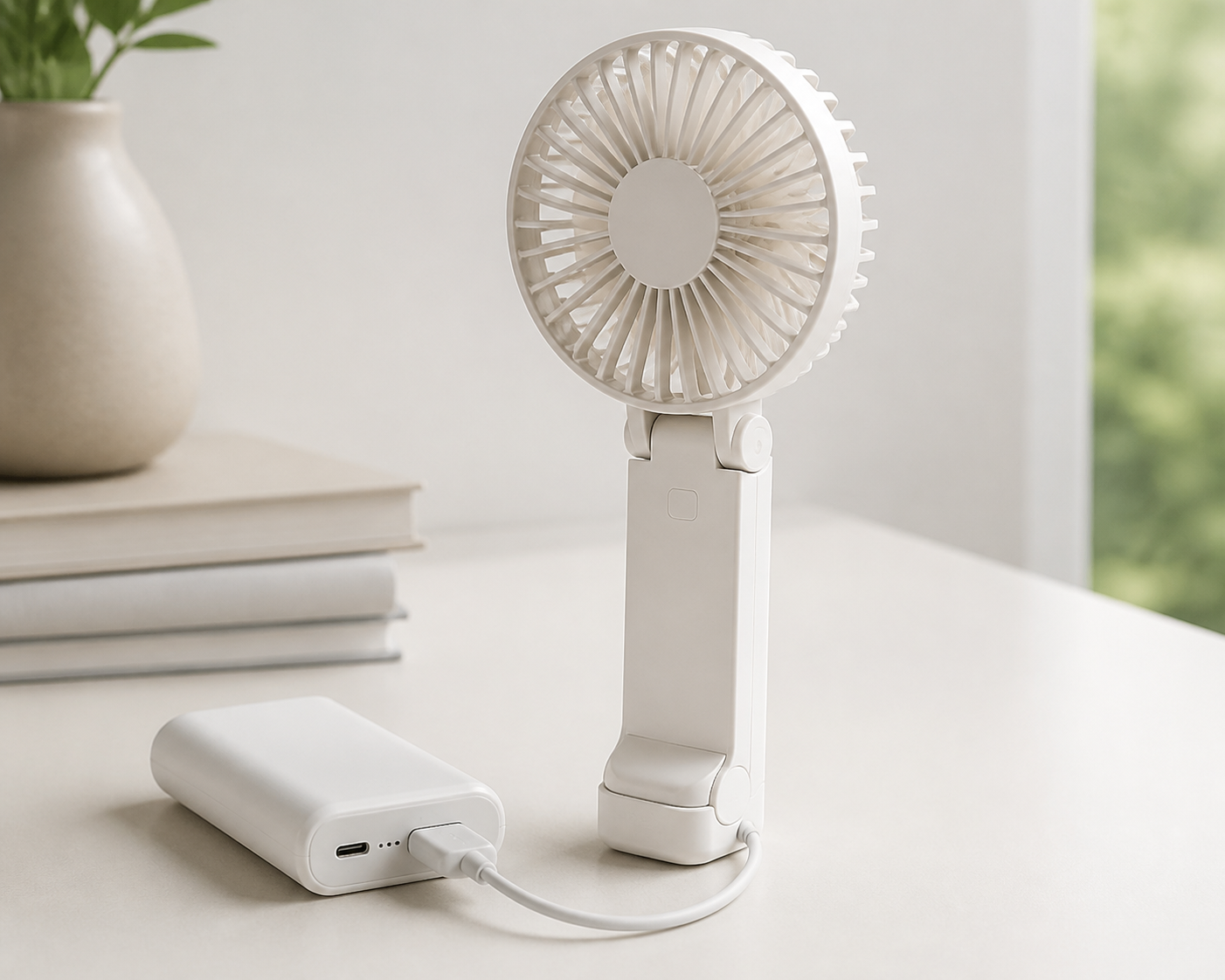
Start with the intended user and application
Write a buyer brief before comparing suppliers. For cooling products, identify who will use it, where it will be used, how long it may operate, what access exists to power or cleaning, and what the customer must understand on first use. This turns a catalogue image into a testable product application.
Product information must match the delivered configuration
Keep the model, color, accessories, package contents and instruction version connected to one approved revision. If the supplier changes a motor, battery, housing material, pump, label, accessory or package item, review whether the original sample, product claim and test evidence still apply.
Buyer checklist
| Review area | Questions to answer | Evidence to retain |
|---|---|---|
| Customer fit | Who will use the product and in what setting? | Buyer brief and application notes |
| Product revision | Which model, color, accessories and pack are included? | Dated specification and sample photos |
| Performance and use | Which operating mode and conditions support the message? | Defined test method and result record |
| Retail readiness | What must a customer see, receive and understand? | Final artwork, instructions and listing copy |
| Supply control | What will be checked before goods ship? | Inspection plan and shipment record |
Points to verify
- noise character
- vibration
- guards
- hair or finger access
- stability
- charging behavior
- warning content
- controls and safe-stop conditions
Sample review, factory testing and shipment inspection
Use the production-intent sample as the reference. Review the product as a customer would: unpack it, check the included accessories, operate the relevant modes, follow the charging, refilling or cleaning steps where applicable, and compare the result with the intended sales message.
During factory testing, record the exact sample revision, operating condition, test method and observed result. During shipment inspection, check the production goods, function, cosmetic condition, accessory count, labels, instructions, inner pack and master carton against the approved file. Inspection is a release-control step; it does not replace careful sample approval.
Compare suppliers without losing the product scope
A lower unit price may represent a different configuration, battery, material, accessory set, package, documentation scope or delivery responsibility. Ask each supplier to state what is confirmed, what is based on an existing platform and what remains open. Keep the quotation, specification, sample notes and packaging reference together.
Frequently asked questions
What should be approved before bulk production starts?
Approve the final product revision, core specification, sample appearance, accessory list, packaging artwork, instructions, supported claims and inspection criteria. The exact document set should match the product and destination market.
How can buyers keep product claims credible?
Use the approved product specification and a defined test condition for every customer-facing statement. Explain the intended application clearly and do not turn a maximum value or narrow test result into an everyday guarantee.
When should a buyer schedule shipment inspection?
Schedule it when production-intent goods, accessories and final packaging are available to inspect and before release for shipment. Confirm the timing, sampling plan and critical checks with the factory or inspection partner in advance.
Conclusion
What should buyers check for noise and safety when sourcing cooling products? should be treated as a structured purchasing decision rather than a checklist of isolated specifications. When the buyer brief, product sample, factory testing, shipment inspection and retail information tell the same story, buyers can build a more reliable program and reduce avoidable returns or revisions. Review U.S. CPSC business safety guidance alongside the final product specification and destination-market requirements.
CTA: Request a sourcing review
Email [info@chillnexa.com](mailto:info@chillnexa.com) with your product interest, quantity, target market and packaging requirements to request a product catalog or private-label quotation.
EXTERNAL RESOURCES
Official references
Use these primary resources alongside the final product specification and destination-market requirements.