PRODUCT SPECIFICATIONS
Neck Fan Controls and Indicators: A First-Use Buyer Test
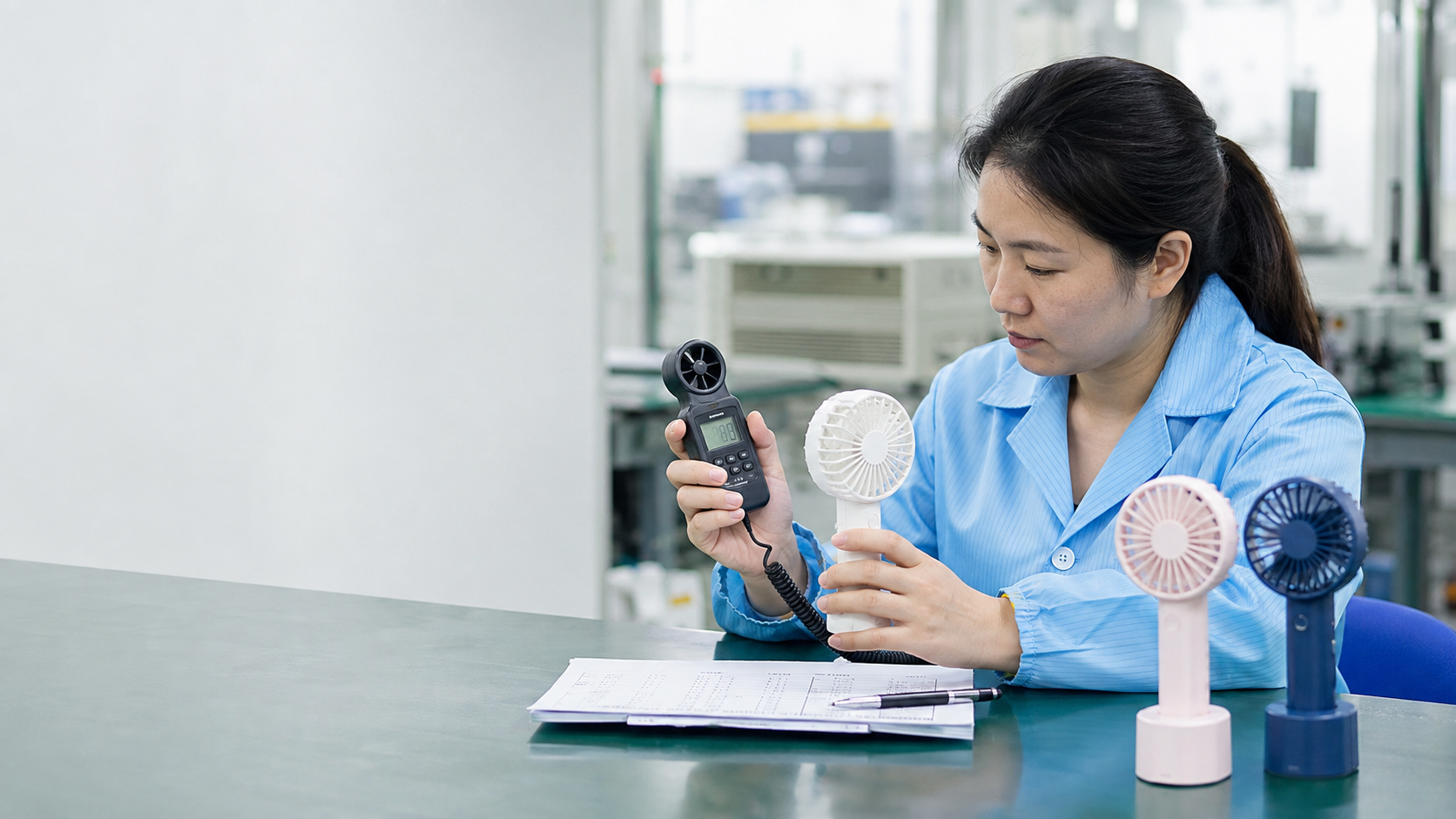
Test button feel, mode order, battery indicators and charging messages with first-time users before a neck-fan launch. This guide is for distributors, retailers, importers and private-label teams that need a clear path from product selection to a retail-ready delivery.
IN THIS ARTICLE
Introduction
Wearable cooling products are selected around people and use context. A sample can look correct on a product table while creating a different experience when it is worn, layered, packed, cleaned or handed to a first-time customer. The buyer’s process should make those conditions visible before production begins.
Direct answer
Buyers should review button placement, mode order, indicator visibility, charging message, low-power behavior, instruction content and retail copy as one connected product decision. Define the intended user and channel first, test the production-intent sample in that context and keep the approved product, packaging and inspection criteria tied to the same revision.
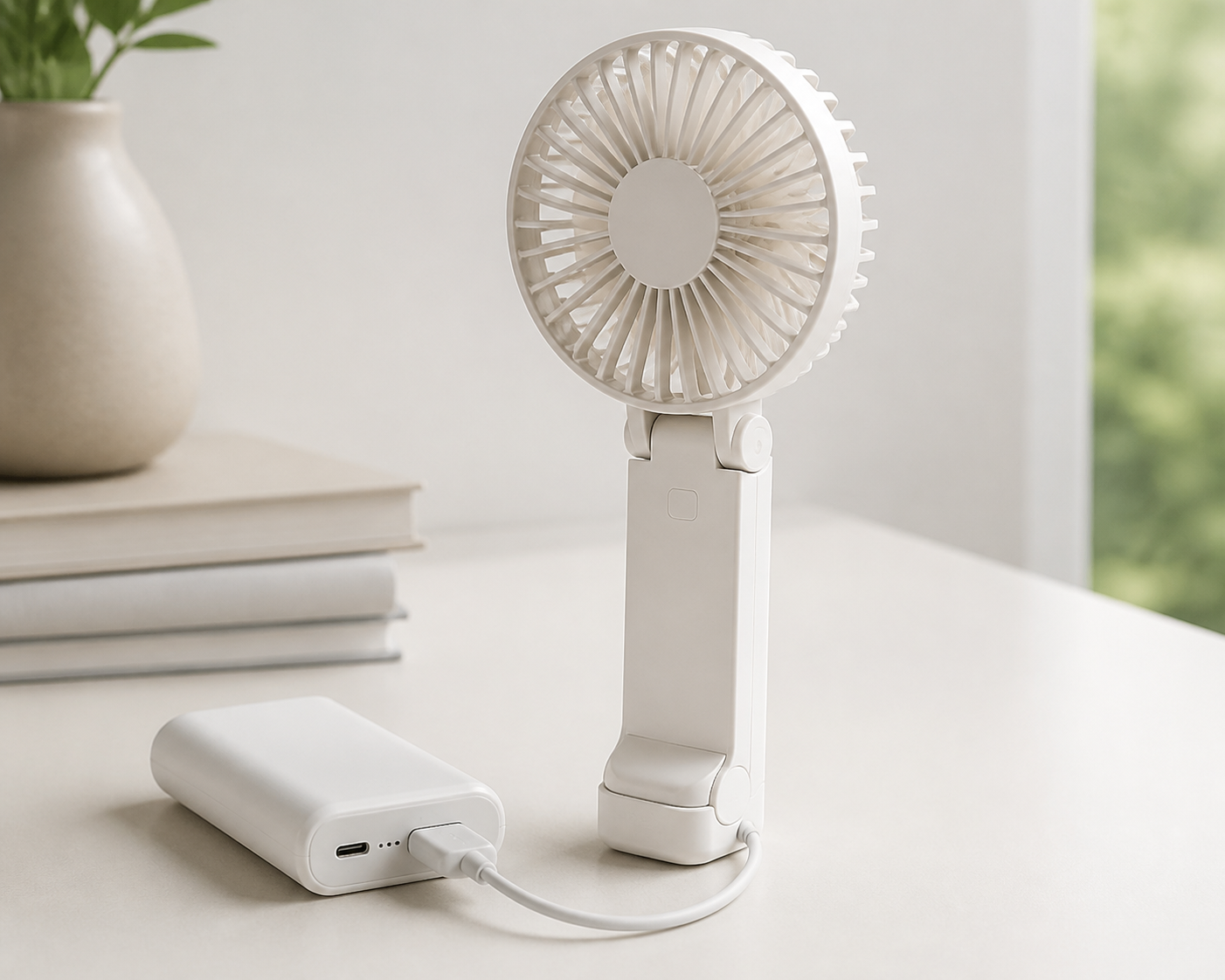
Set the buyer brief before supplier comparison
The brief should identify the intended customer, use environment, target market, sales channel, desired retail arrival date and product role. A cooling vest, reusable towel and neck fan can all support a summer assortment, but they solve different customer needs and require different fit, care, charging or merchandising information.
For this decision, define:
- button placement
- mode order
- indicator visibility
- charging message
- low-power behavior
- instruction content and retail copy
Ask suppliers to state what is already confirmed, what is based on an existing platform and what needs a sample decision. This avoids confusing a catalogue image with an approved production configuration.
Sample review and product information
Test the product as it will actually be used
For garments, evaluate fit, movement, closure comfort, textile feel, labeling and care instructions with representative wearers. For towels, review activation, edge finish, folding, packaging and the permitted care routine. For neck fans, check wearable balance, airflow direction, controls, indicators, charging and the final accessories.
Build retail communication from evidence
Write product-page and packaging copy from the approved sample and controlled specifications. Explain the intended use, package contents and product-specific care. Avoid treating a wearable cooling item as a substitute for a complete heat-safety plan, protective equipment or medical advice. When a result depends on a condition, state the condition rather than using a broad claim.
| Review area | Buyer question | Evidence to retain |
|---|---|---|
| Product identity | Is this the exact model and final configuration? | Dated sample record and product photos |
| Wearer experience | Does it fit and operate as intended? | Representative user observations |
| Retail pack | Are the contents, labels and instructions aligned? | Approved artwork and package list |
| Production control | Can changes be reviewed before shipment? | Change record and inspection sheet |
Factory testing and shipment inspection
Factory testing should reference the approved product file. Check the model, visible finish, relevant function, accessories, labels, packaging and carton marks. For battery-powered wearable products, check the specified charging configuration and supplied cable. For textile products, check color, size identification, edges, labels and retail-pack presentation.
Give the final sample to a person who has not been briefed. Ask them to turn it on, change modes, interpret indicators and charge the product using the supplied instruction and cable.
At shipment inspection, compare production goods with the approved sample and written criteria. Any change to textile, trim, logo decoration, battery, motor, label, accessory, packaging or instructions should be logged and assessed before release. Keep the inspection result with the purchase order and approved product records.
Commercial and launch controls
Compare supplier quotations on the same scope: final product configuration, branding, included accessories, retail pack, sample work, carton plan, document support and inspection expectations. Mark unknowns explicitly instead of assuming that a feature or service is included.
Plan backward from the intended retail arrival date. Set separate milestones for sample approval, artwork, production, factory testing, shipment inspection and freight booking. This is especially important for seasonal ranges, where a late size, label, packaging or battery decision can affect the selling window.
CTA: Request a wearable-cooling product review
Send ChillNexa your target market, customer profile, product format and quantity. We can help structure a relevant sample checklist, assortment recommendation and private-label brief.
Frequently asked questions
Why test neck-fan controls with first-time users?
Wearable products are used while moving. A first-use test reveals whether the controls and indicators are easy to understand without factory or buyer familiarity.
What should be approved before bulk production?
Approve the production-intent sample, final configuration, labels, packaging, instructions, supported claims and inspection criteria. For wearable items, keep the sample record connected to the actual wearer or retail-use assumptions.
Can factory testing replace buyer sample evaluation?
No. Factory evidence helps confirm the production process, but buyers should still assess the finished sample in the intended wearer, retail or work context before approving customer-facing information.
Where can buyers find related guidance?
Explore the ChillNexa buyer FAQ hub, wearable cooling products, neck fans and the buyer-guide library. Also review the final product specification and destination-market requirements before making a market-facing claim.
Conclusion
Neck Fan Controls and Indicators: A First-Use Buyer Test works best as a controlled sourcing decision. When buyer brief, sample, product information, factory testing and shipment inspection match, the product is easier to merchandise, support and reorder.
CTA: Get a ChillNexa quotation
Email [info@chillnexa.com](mailto:info@chillnexa.com) with your requirements to request relevant products, a catalogue or a private-label quotation.
EXTERNAL RESOURCES
Official references
Use these primary resources alongside the final product specification and destination-market requirements.